Crawlspace Inspection: What This Hidden Space Can Reveal About Your Home.
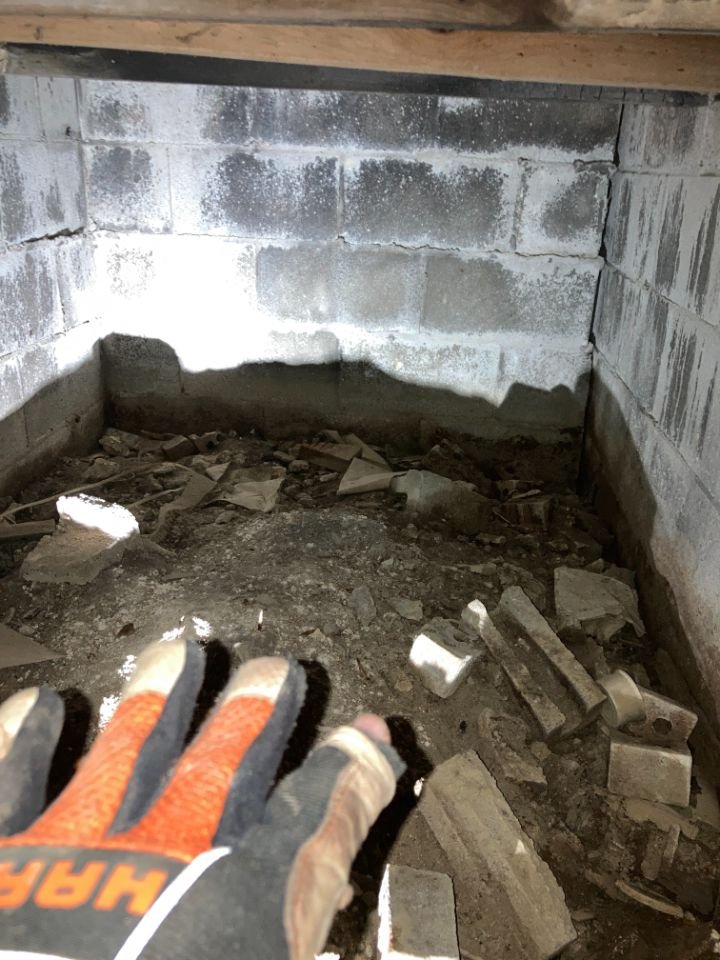
What I See in a Crawlspace
Inspecting crawlspaces can be a dirty job, but is one of the most important areas that I check during the inspection of a home. Why? Because this out-of-sight area often provides some of the best views of the plumbing, HVAC, electrical, insulation, structural supports, and foundation walls. It also gives me insight into how water is being managed at the home’s foundation. You might say a crawlspace inspection is a closer look at the bones of the home.
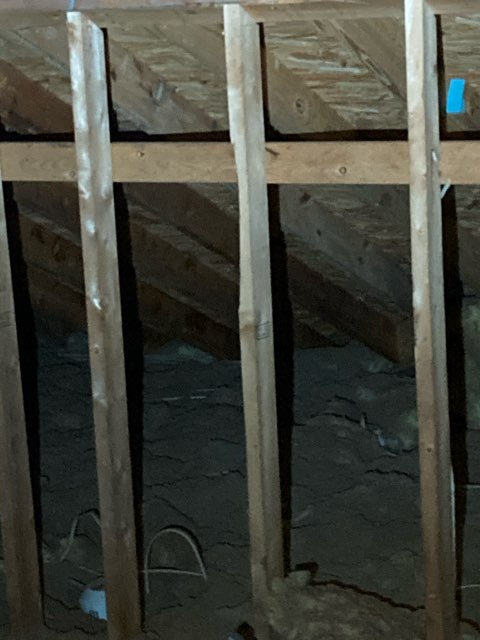
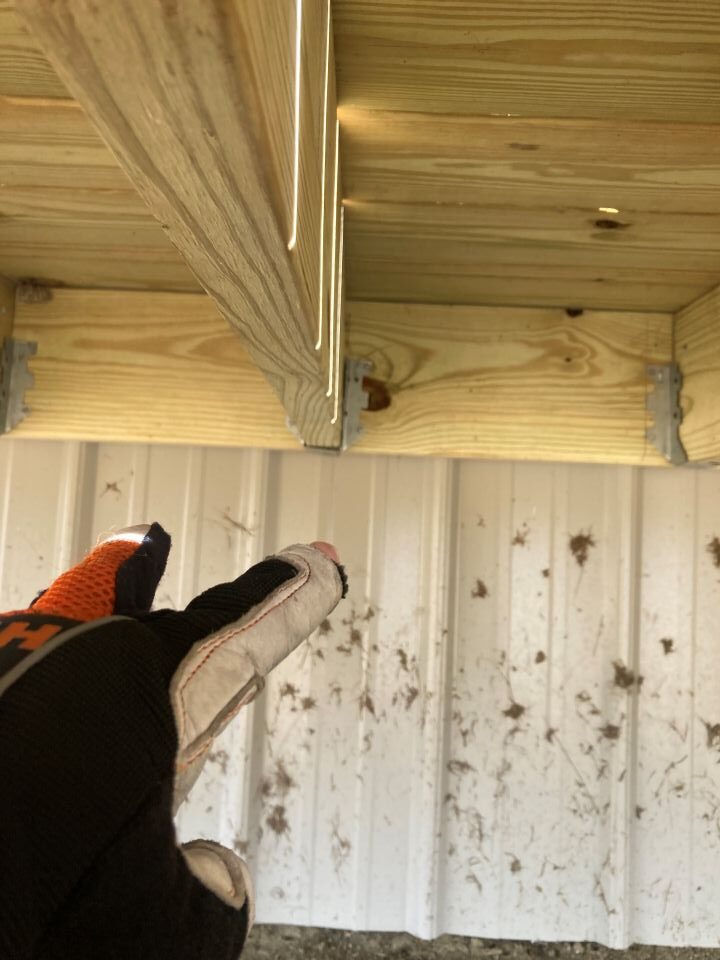
When I am under a home, I look to see if there is a good vapor barrier present, proper clearances of structural components to ground, whether joists/beams are spanned properly and have adequate support, if there is evidence of moisture issues, if foundation vents are sufficient and properly situated for good ventilation. I carefully inspect all the visible pipework for proper slope, support, corrosion, and leaks, check for presence of and proper installation/condition of insulation, HVAC ductwork condition and connections, whether electrical connections are properly contained in junction boxes, if outlets present are GFCI protected, etc. And, the list goes on…
Do Crawlspace Inspections Matter?
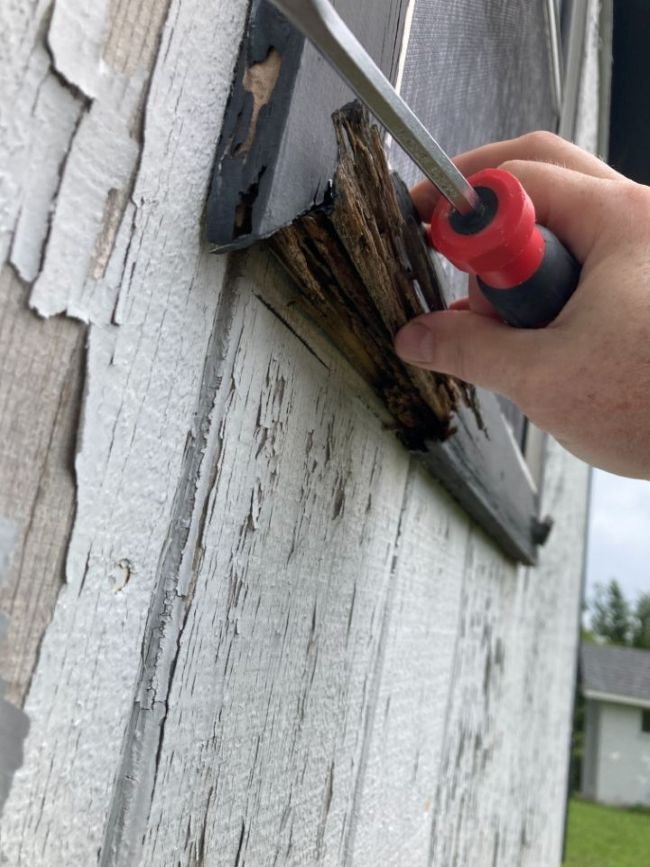
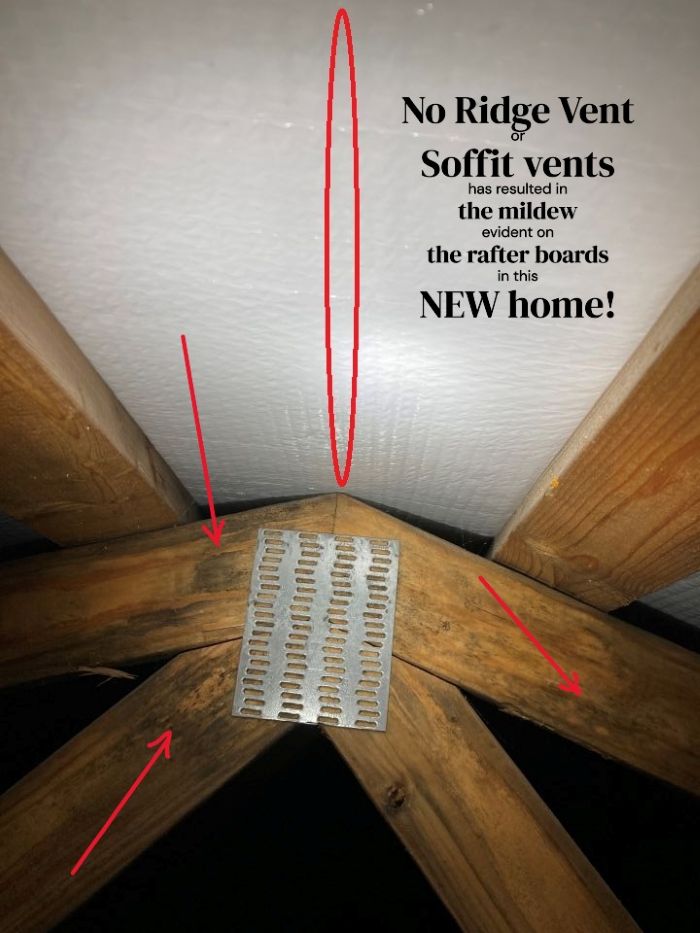
Yes, crawlspace inspections are hugely important because what we see under the home are parts of larger systems. Pipework, wiring, masonry, and joists are all part of the skeletal framework that work together to make a home function or fail, if allowed, by neglect. Take, for instance, a lack of proper drainage away from the home. When water is allowed to pool against home foundations or ventilation is inadequate, crawlspaces are often damp, musty smelling, and floor joists/subfloors begin to show evidence of wood decomposition and mold growth. Perhaps, there are also signs of wood damaging insects like termites and pest activity from the moist conditions. Thus, poor water management can indirectly affect structural integrity with the deterioration of floor and wall framing and cause health problems to the occupants of a home.
More often than not, I find that homeowners are oblivious of pooling water, leaking pipes, or missing insulation in their crawlspace. That is because they rarely, if ever, look under their home. This fact alone makes a thorough crawlspace inspection all the more important.
Annual Crawlspace Inspection
Every homeowner should take the time periodically to crawl under his home and look for obvious concerns. In addition, it is highly recommended that a crawlspace be checked as part of an Annual Maintenance Inspection by a professional inspector who regularly crawls homes and knows what to look for—it’s just good home maintenance and a practical way to protect your investment from the ground up. By checking the hidden systems, looking for moisture issues, and determining the integrity of structural components, you can tell a lot about the condition of your home. Bottom line? If you want an accurate gauge on the health of your home, you can’t afford to overlook what’s happening in your crawlspace.
― Your Friends at Higher Rock Inspections ―