What Makes a Great Home Inspection? The Secret Ingredient Is Time.
Updated: October 15, 2026
A thorough home inspection in Cookeville, Tennessee, takes more than a checklist. It takes time, experience, and attention to detail. At Higher Rock Inspections LLC, I believe the time spent carefully evaluating a home can make a real difference in helping buyers understand its condition before making one of life’s biggest investments.
And if you ask me what the secret ingredient is behind a great home inspection, my answer is simple: Time.
Why Time Matters During a Home Inspection
As a home inspector, I often ask myself one question:
How would I want someone to inspect a home I was considering buying?
I’d want an inspector who was thoughtful, methodical, and careful. Someone who wasn’t watching the clock or rushing to get to the next appointment.
I’d want someone who took the time to examine the home’s accessible systems and components, investigate visible concerns, and explain what those findings could mean.
That’s the kind of inspection I strive to provide.
We live in a time-conscious world, and I understand that everyone has a schedule. But I’ve heard of home inspectors who routinely complete three inspections in a single day.
I wouldn’t want to be that third inspection. Would you?
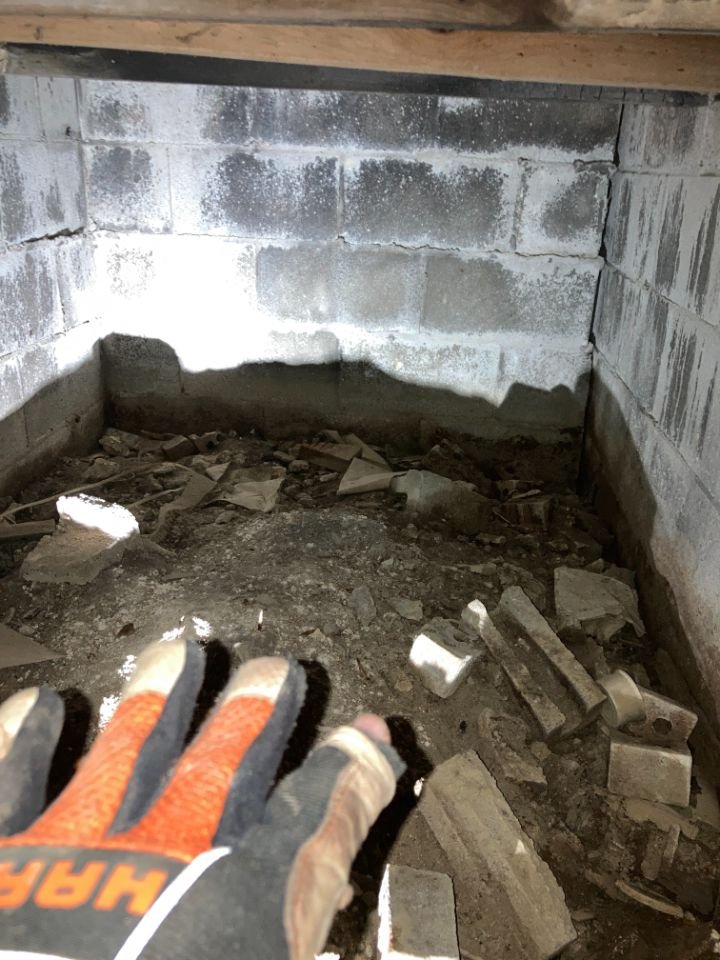
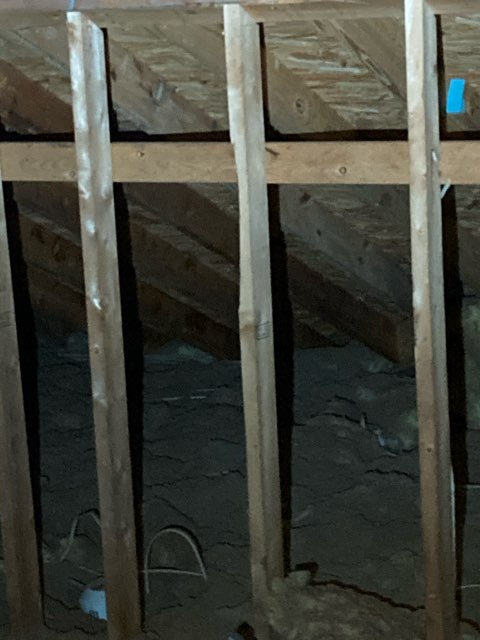
A thorough home inspection is both physically and mentally demanding. There’s a roof to evaluate, an attic to investigate, a crawl space to access when conditions permit, and numerous systems and components that deserve careful attention.
And when I discover a potential problem, I need the time and mental focus to evaluate what I’m seeing, document the condition, and provide useful recommendations.
You deserve an inspector who is focused on your home, not his next appointment.
What Does a Thorough Home Inspection Include?
A professional home inspection is a visual evaluation of a home’s accessible systems and components, performed according to applicable Standards of Practice.
At Higher Rock Inspections, my inspections generally include evaluating:
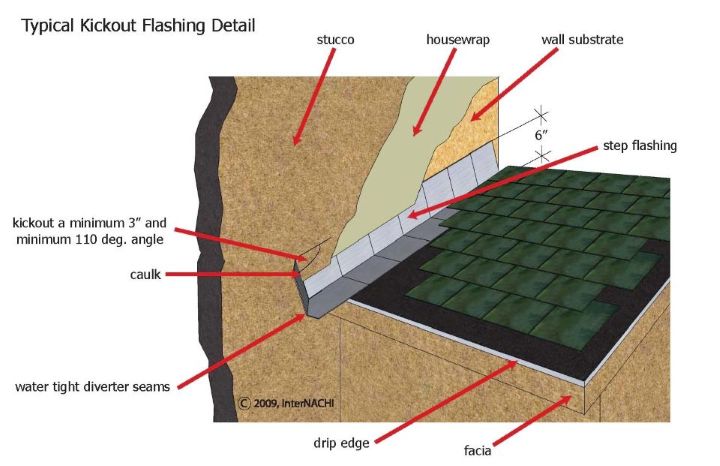
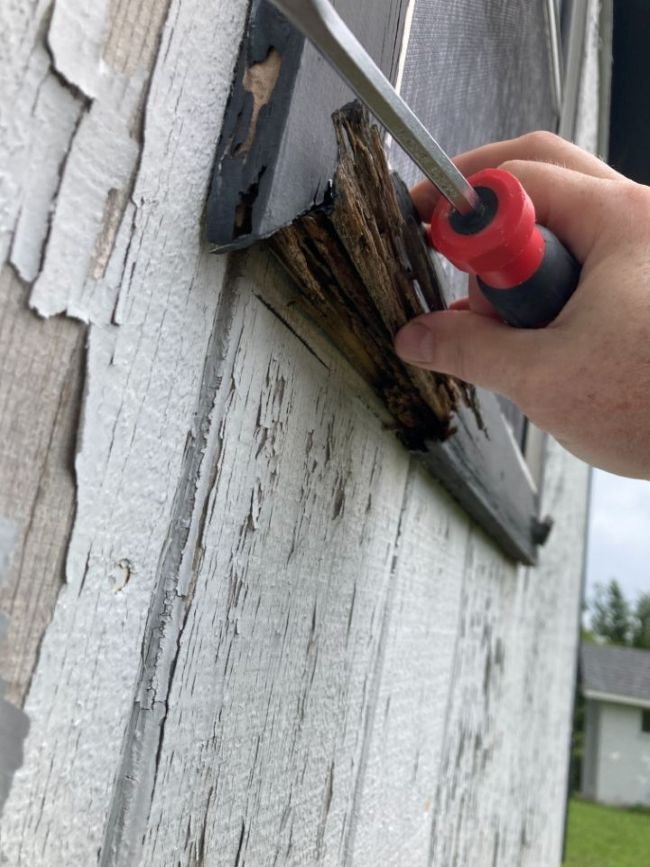
- Roofing and exterior components: Roof coverings, visible flashing, gutters, siding, doors, windows, and exterior drainage.
- Structure and foundation: Visible structural components, foundations, framing, and accessible crawl spaces.
- Electrical systems: Accessible panels, wiring components, outlets, and other visible electrical conditions.
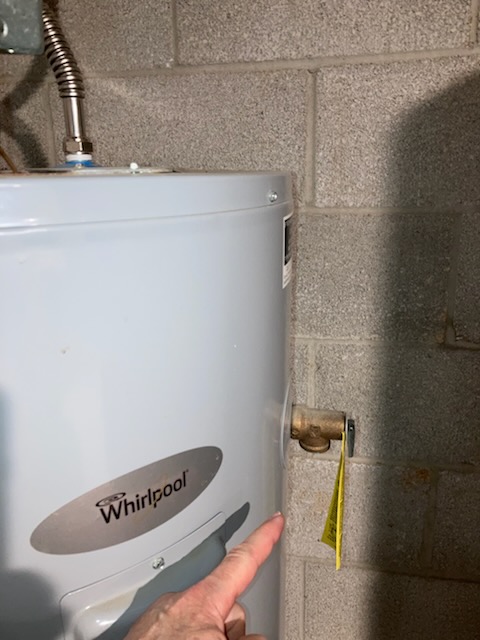
- Plumbing systems: Visible supply and drain components, fixtures, water heaters, and signs of leakage.
- Heating and cooling: Accessible HVAC equipment and its observable operating condition.
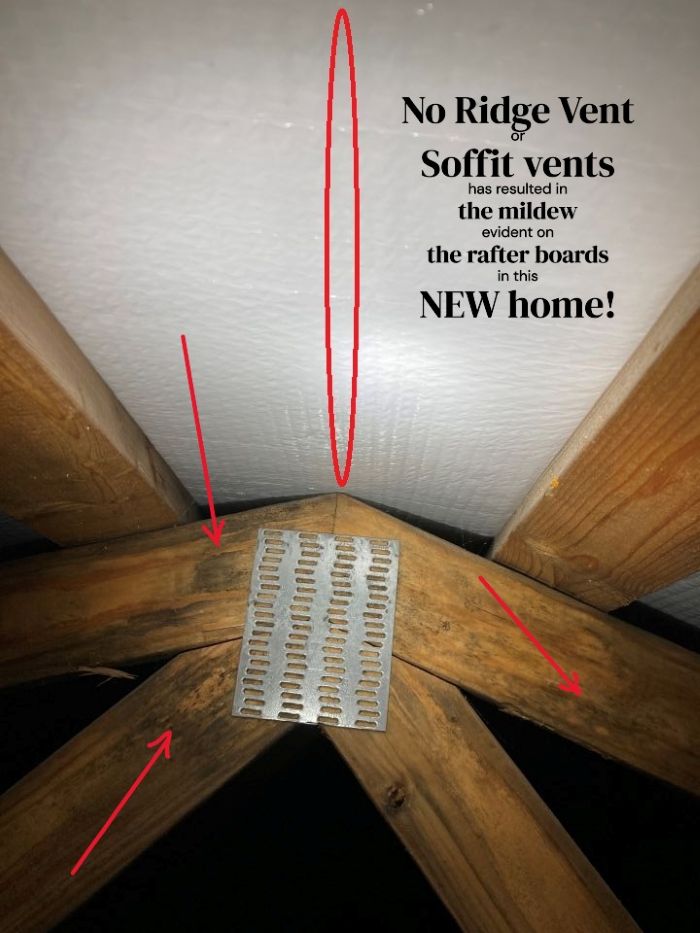
- Attics and insulation: Accessible attic areas, ventilation, insulation, and indications of moisture intrusion.
- Interior components: Walls, ceilings, floors, doors, windows, and other accessible features.
Every home is different. Older homes, newer construction, and properties with unusual designs or site conditions may present different concerns.
An inspection cannot uncover every hidden or concealed defect. However, taking a systematic approach helps me give each accessible area the attention it deserves.
How Long Should a Thorough Home Inspection Take?
A thorough home inspection often takes several hours, depending on the home’s size, age, condition, and complexity.
At Higher Rock Inspections, my typical on-site inspection takes approximately 3 to 6 hours.
Why so much time?
Because I’m not simply walking through the property and checking boxes.
I’m examining accessible components, documenting observed defects, taking photographs, and evaluating how different conditions may relate to one another.
For example, a water stain on a ceiling might be more than a cosmetic concern. It could warrant a closer look at accessible roofing, plumbing, or attic components to help determine what additional evaluation may be needed.
The goal isn’t to make an inspection last longer than necessary. It’s to give the home the attention it requires.
Why a Detailed Home Inspection Report Matters
The inspection itself is only part of the process.
After leaving the property, I spend additional time preparing a detailed report that explains my findings.
A useful home inspection report should help you understand:
- What condition was observed.
- Where the concern is located.
- Why it may matter.
- Whether additional evaluation or repairs are recommended.
- Which findings may deserve particular attention before closing.
I include photographs and clear descriptions to help buyers understand the issues identified during the inspection.
My goal is to provide information you can use when discussing repairs, evaluating the property’s condition, and making decisions about your purchase.
You can see how I document inspection findings by viewing my sample home inspection report.
Experience Matters, Too
Taking time is important, but knowing what to look for matters just as much.
I’m John Griffith, owner of Higher Rock Inspections LLC, a veteran-owned home inspection company based in Cookeville, Tennessee.
I’m a Tennessee Licensed Home Inspector (#3069) and an InterNACHI Certified Professional Inspector.
My professional background includes military aviation electrical systems, environmental science, infrastructure reviews, and inspection-related work.
Those experiences taught me the importance of observing carefully, analyzing evidence, maintaining accurate records, and communicating findings clearly.
I bring that same mindset to every home inspection.
You can learn more about my training, certifications, and professional experience on my About Higher Rock Inspections page.
Schedule your inspection online at staging.higherrockinspections.com or call (931) 303-8385.
― John Griffith, Higher Rock Inspections LLC